Chocolate Cake Font for Web Design
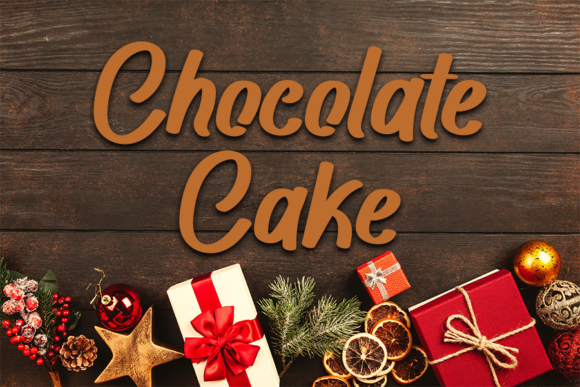
As a web designer, finding the right font can transform a layout from ordinary to unforgettable. Chocolate Cake is a handwritten script font that brings warmth and personality to digital projects. Its natural flow and charming character make it ideal for creative websites, branding, and visual storytelling.
Chocolate Cake belongs to the Script Amp category, offering a unique blend of elegance and approachability. The font’s irregular strokes and fluid curves give it a handcrafted feel, making it perfect for designs that need a personal touch. Whether used in headers, logos, or decorative elements, it adds a sense of authenticity and artistry.
Using Chocolate Cake in Web Design
Chocolate Cake excels in visual hierarchy, drawing attention without overwhelming the reader. It works best as a display font, suitable for headlines, call-to-action buttons, and section titles. Its readability on larger screens makes it ideal for hero sections and landing pages where first impressions matter most.
In online stores, Chocolate Cake can elevate product banners and promotional graphics. For a boutique e-commerce site, using it in headings and taglines creates a cohesive, branded look that feels inviting and professional. When paired with clean sans serif fonts for body text, it balances creativity with clarity.
On blog headers or course sales pages, Chocolate Cake adds a dynamic energy that complements the content. It’s also effective in portfolio sites, where it can be used in project titles or client testimonials to reinforce a creative brand identity.
Readability and Visual Impact
While Chocolate Cake is a decorative font, it remains legible at larger sizes. On mobile screens, it performs well when used sparingly—such as in navigation menus or CTA buttons. However, it’s not recommended for long paragraphs due to its intricate details, which can strain the eyes in small sizes.
When designing for dark backgrounds or image overlays, ensure sufficient contrast. A light version of Chocolate Cake on a dark background can create striking visual interest, while a bold variant might work well for buttons or highlights. Testing different weights and styles helps maintain clarity across devices.
For responsive layouts, consider using a simplified version of the font or adjusting spacing to prevent overcrowding. This ensures that the font remains readable and visually appealing on all screen sizes.
Font Pairing and Brand Identity
Pairing Chocolate Cake with a simple sans serif or serif font enhances its impact. A modern sans serif like Roboto or Open Sans provides a clean contrast, making the script font stand out without clashing. This combination is great for landing pages, SaaS websites, or editorial content where readability is key.
For a more traditional aesthetic, pairing Chocolate Cake with a serif font like Georgia or Playfair Display can create an elegant, editorial feel. This is ideal for luxury brands, publishing platforms, or creative portfolios looking to convey sophistication.
When building a brand kit, use Chocolate Cake consistently across touchpoints. Whether in social media graphics, email newsletters, or packaging design, it reinforces a unified visual language that resonates with the audience.
Practical Considerations
Before using Chocolate Cake in a project, check the available styles and file formats. Ensure that the font supports the languages and characters needed for your target audience. Some versions may include alternate glyphs or ligatures that add extra flexibility.
Webfont availability is crucial for digital projects. If the font is available as a web-safe typeface or through a service like Google Fonts, it simplifies implementation. Otherwise, ensure that the licensing terms allow for commercial use on websites, client projects, or online stores.
For designers working on templates or digital assets, confirm that the font license covers redistribution or resale. This avoids legal complications and ensures that clients can use the font without restrictions.
Chocolate Cake in Real Projects
A creative portfolio site can benefit from Chocolate Cake in project titles and artist names. It adds a personal flair that aligns with the designer’s style. Similarly, a coaching website might use it in headlines to evoke trust and approachability.
For a product landing page, Chocolate Cake can be used in subheadings or feature labels to guide the user through the content. Its expressive nature helps highlight key benefits and differentiate the product from competitors.
In digital ads or social media graphics, Chocolate Cake adds a distinctive visual element that captures attention. It’s especially effective in short-form content where quick recognition is essential.
Whether you're designing a blog header, a course sales page, or a branded web experience, Chocolate Cake offers a versatile and expressive option. Its charm and adaptability make it a valuable addition to any designer’s toolkit.